
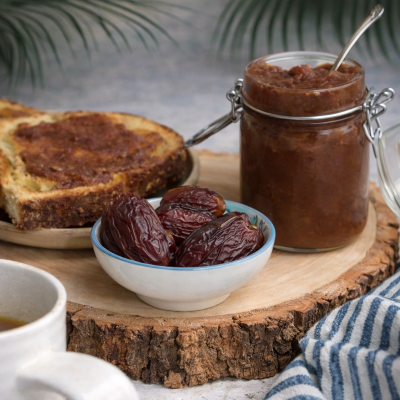
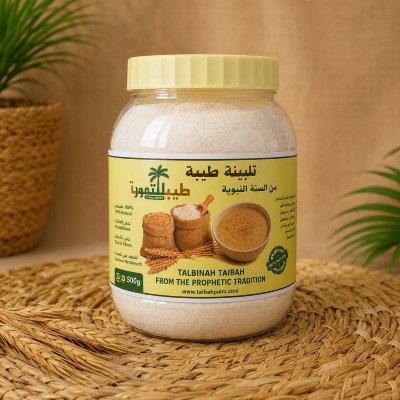
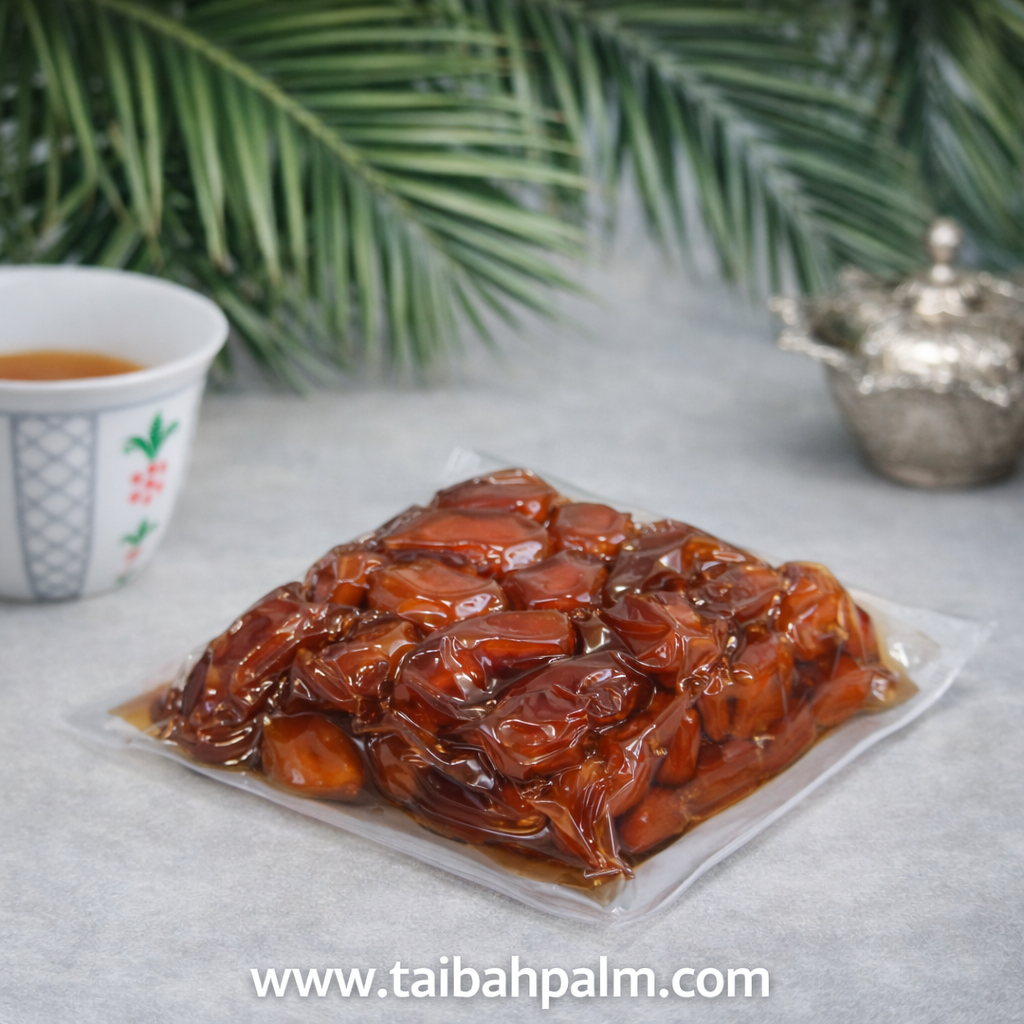
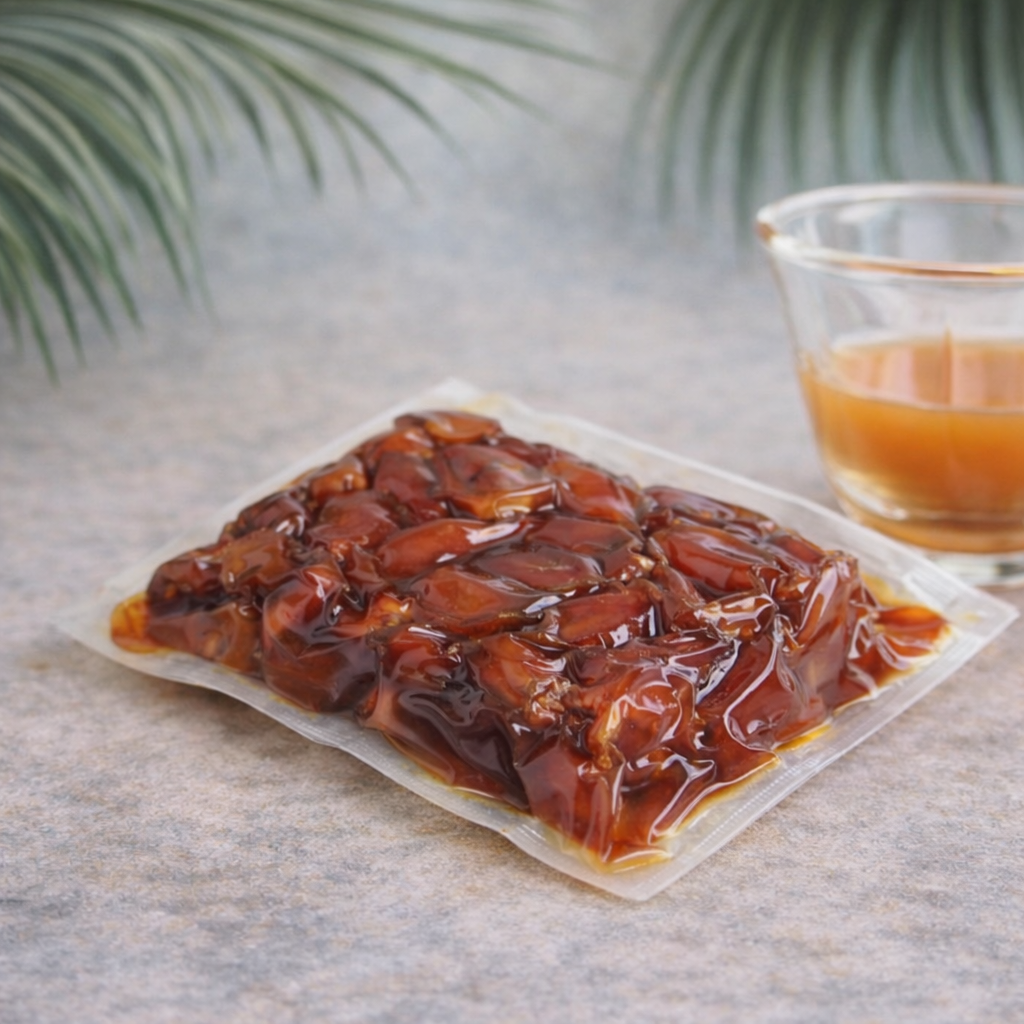
 عجينة تمر
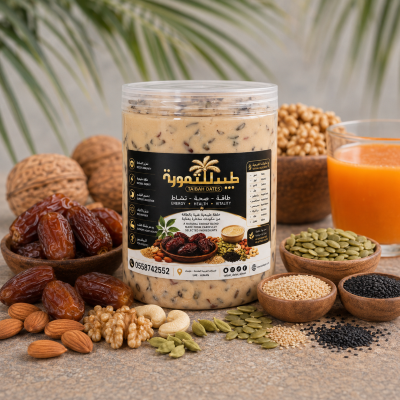 خلطة الطاقة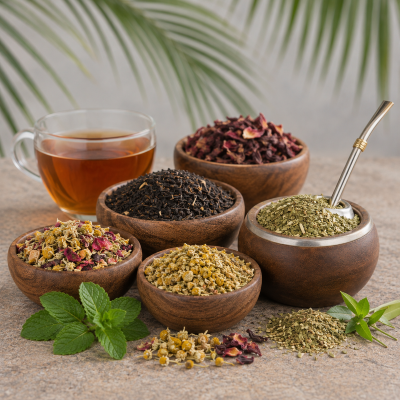
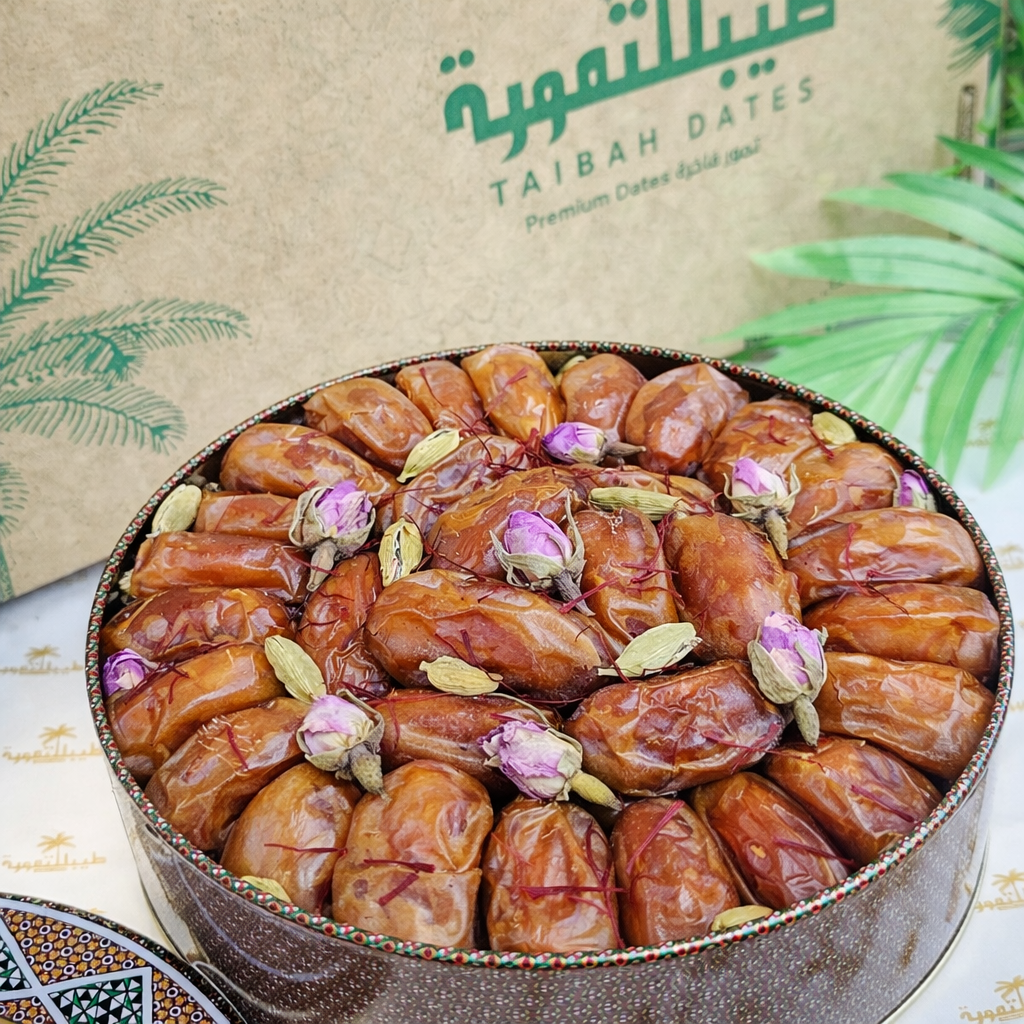
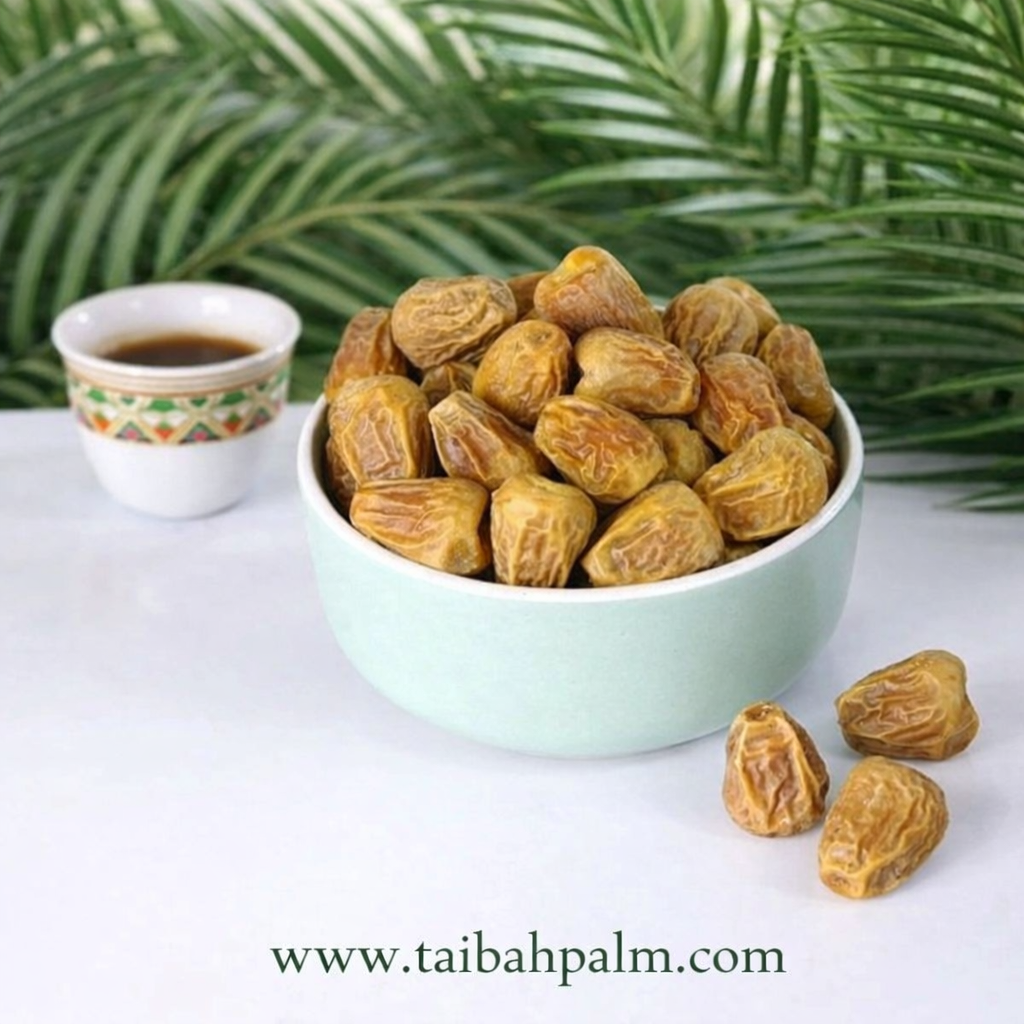
تمر الخلاص مع الزعفران والهيل والورد
Feb 01 - 2026
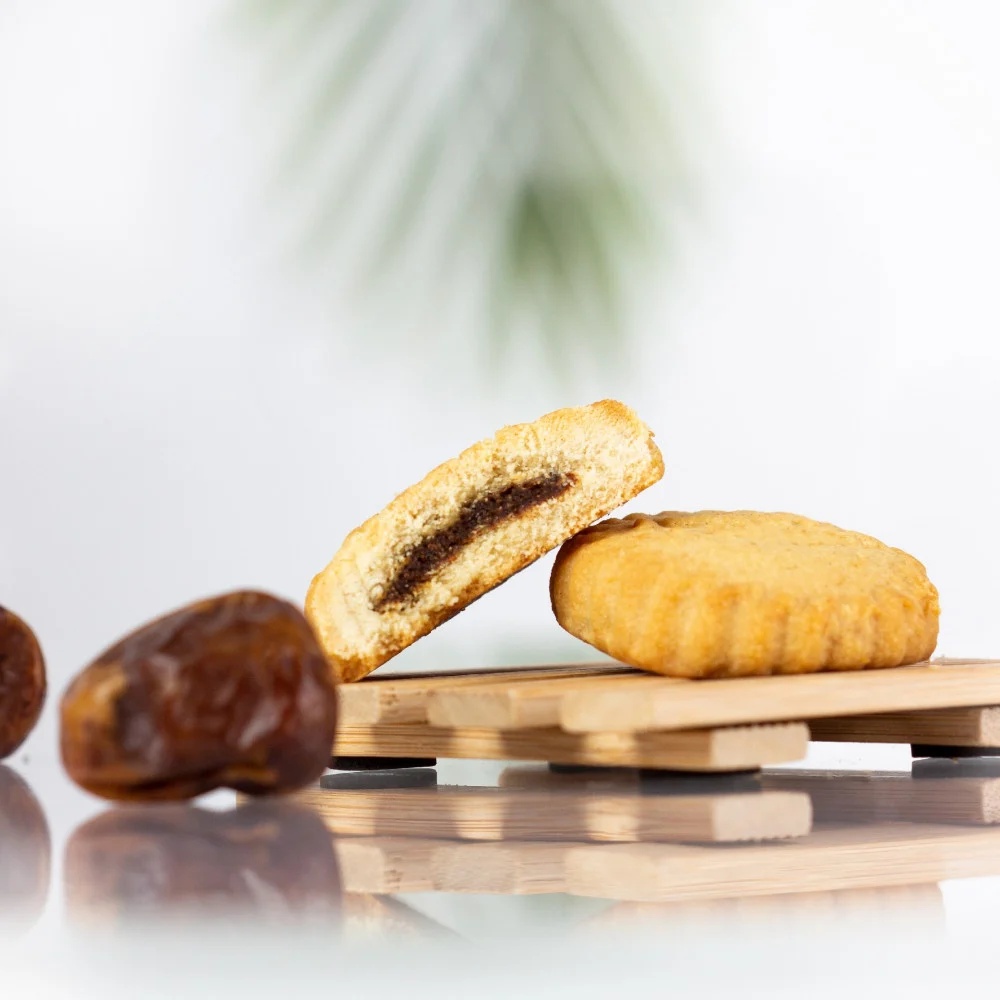
ويرتبط معمول التمر ارتباطًا وثيقًا بالمناسبات
الدينية والاجتماعية، حيث يُقدَّم في الأعياد وشهر رمضان والضيافات العائلية.
ويحمل
هذا النوع من الحلويات قيمة ثقافية تتجاوز الطعم، ليعبّر عن الفرح والكرم
والتقاليد المتوارثة.
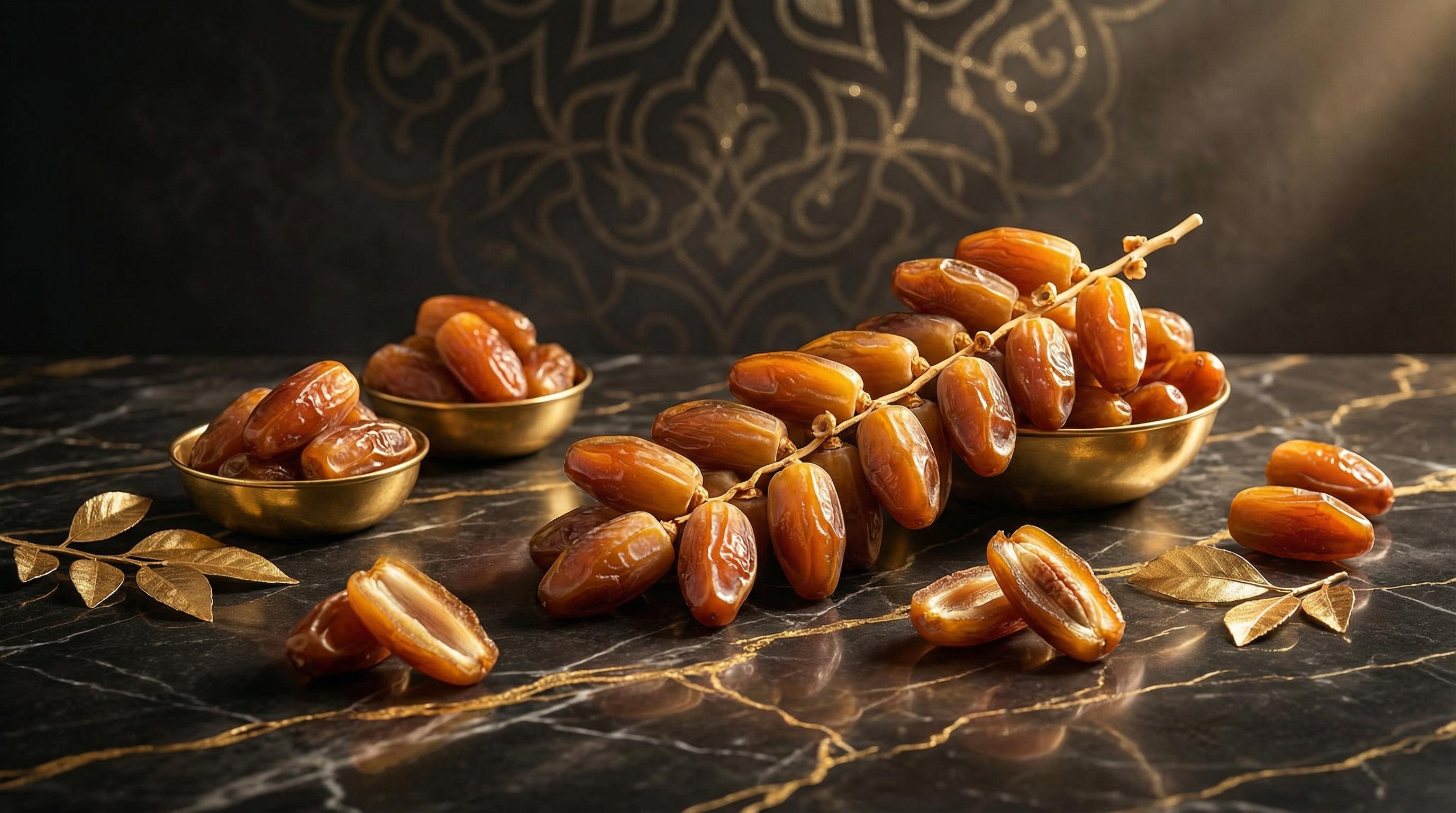
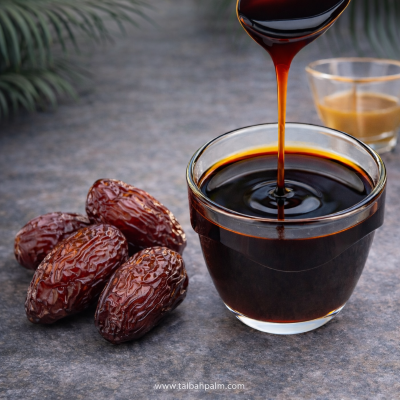
التمر هو المكوّن الأساسي في حشوة المعمول، وهو عنصر
غذائي عريق في الثقافة العربية منذ آلاف السنين.
وقد
عُرف التمر بقيمته الغذائية العالية، وغناه بالألياف والسكريات الطبيعية والمعادن.
أما
عجينة المعمول، فتُحضَّر عادةً من السميد أو الدقيق مع السمن أو الزبدة، مما
يمنحها قوامًا هشًا وطعمًا غنيًا.
عند الجمع بين عجينة المعمول وحشوة التمر، تتكوّن نكهة
متوازنة تجمع بين نعومة الحشوة وهشاشة العجين.
ويُراعى
في تحضير المعمول تحقيق هذا التوازن دون أن تطغى الحشوة على العجينة أو العكس.
تُحضَّر حشوة معمول التمر من تمر مختار بعناية يتم
طحنه أو عجنه حتى يصبح ناعمًا وسلسًا.
وفي
بعض الوصفات، يُضاف القليل من القرفة أو الهيل لإضفاء نكهة عطرية مميزة.
كما
تختلف طرق التحضير باختلاف المناطق والعادات العائلية.
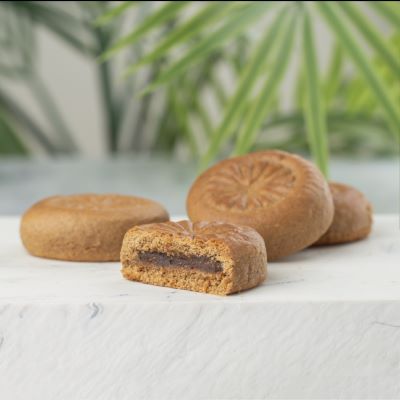
يتميّز معمول التمر بشكله التقليدي المزخرف، والذي
يُشكَّل باستخدام قوالب خاصة تعطيه طابعًا فنيًا جميلًا.
وتُعد
هذه الزخارف جزءًا من هوية المعمول التراثية، وتعكس الاهتمام بالتفاصيل في تقديمه.
من الناحية الغذائية، يُعد معمول التمر مصدرًا جيدًا
للطاقة، خاصة عند تناوله باعتدال.
فالتمر
يمد الجسم بالسكريات الطبيعية، بينما توفّر العجينة الدهون التي تعزز الإحساس
بالشبع.
ويُعد معمول التمر خيارًا مفضّلًا لمحبي الحلويات
التقليدية ذات النكهة الأصيلة.
كما
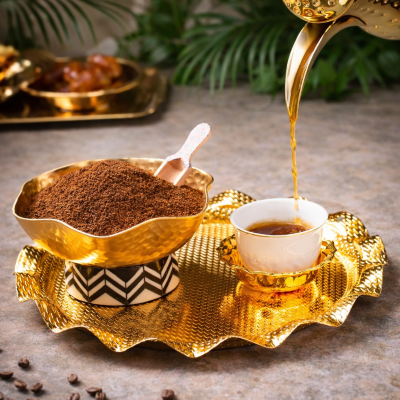
يُقدَّم غالبًا مع القهوة العربية أو الشاي، مما يعزّز تجربة الضيافة.
يحظى معمول التمر بمكانة خاصة في الأعياد، حيث يُحضَّر
في المنازل أو يُقدَّم كهدايا للأقارب والجيران.
ويمثل
هذا التقليد صورة من صور الترابط الاجتماعي والفرح المشترك.
وفي السنوات الأخيرة، شهد معمول التمر تطورًا في طرق
تقديمه وتغليفه.
فأصبح
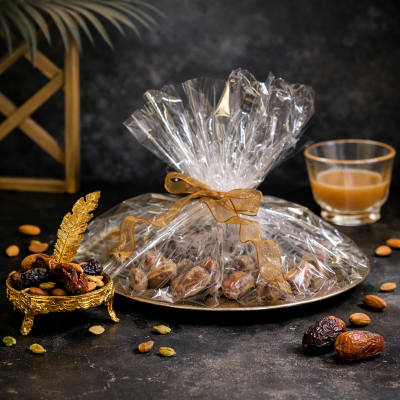
يُقدَّم بأساليب عصرية تناسب الهدايا الفاخرة والمتاجر المتخصصة.
ورغم هذا التطور، ما زال معمول التمر محافظًا على
هويته التراثية ونكهته الأصيلة.
فهو
ليس مجرد حلوى، بل ذاكرة اجتماعية ونكهة مرتبطة بالطفولة والمناسبات السعيدة.
ويُعد معمول التمر مثالًا حيًا على قدرة المطبخ العربي
على الجمع بين البساطة والعمق في الطعم.
ليظل
حاضرًا في كل بيت عربي كرمز للفرح والضيافة والأصالة.
Feb 01 - 2026
Feb 01 - 2026
Feb 01 - 2026
Feb 01 - 2026